Reducing recurrent non-manpower expenditure
Further spending cuts of government recurrent expenditure will be conducted to maximize efficiency of spending.





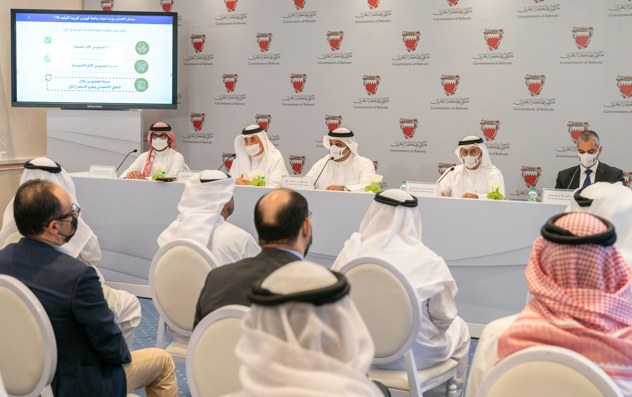
The results achieved until February 2020 of the Fiscal Balance Program to achieve a balance between government expenditure and revenues, exceeded the goals set, considering the period impacted by COVID-19 pandemic and the lower oil and gas prices, the Government plans to further cut spending and increase non-oil revenue with the aim of achieving overall fiscal balance by 2024, a 2-year extension of the original Fiscal balance target.
The main initiatives of the revised plan include:

Reducing recurrent non-manpower expenditure
Further spending cuts of government recurrent expenditure will be conducted to maximize efficiency of spending.

Reducing project spend
Project spending will be reviewed and prioritized without impacting major projects.

Reducing manpower expenditure
Government entities will be restructured in order to streamline resources and increase manpower efficiency.

Streamlining the distribution of cash subsidies to citizens
Following the consolidation of the multiple cash subsidies programs which allowed thorough analysis to be conducted, the Government will work with Legislative Authority to enhance the efficiency of support for eligible citizens.

Increasing Government-owned entities' annual contributions
The increase planned from 2023 will include the annual contributions paid by the Oil and Gas Holding Company (nogaholding), Bahrain Mumtalakat Holding Company, Eskan Bank and Telecommunications Regulatory Authority, as well as the introduction of contributions from the Bahrain Tourism & Exhibitions Authority.

Adjusting commodities prices and prices of services provided to companies
Establishing a mechanism to review and adjust commodities prices and prices of the services provided to companies on a periodic basis to ensure they are in line with market price.

Introducing new Government Services revenue initiatives
Non-oil revenue growth is expected to be driven by a newly established Revenue Development Taskforce that the Government set up, including the introduction of new fees for services currently provided and the introduction of a number of new services.

Increasing the VAT to 10%
The Government, in cooperation with the Legislative Authority, has approved a draft law to double the Value Added Tax from 5% to 10%. The implementation started on 1 January 2022. Existing VAT exemptions on certain sectors, basic food commodities and +1,800 government services will remain.